Loading…

Subcategory
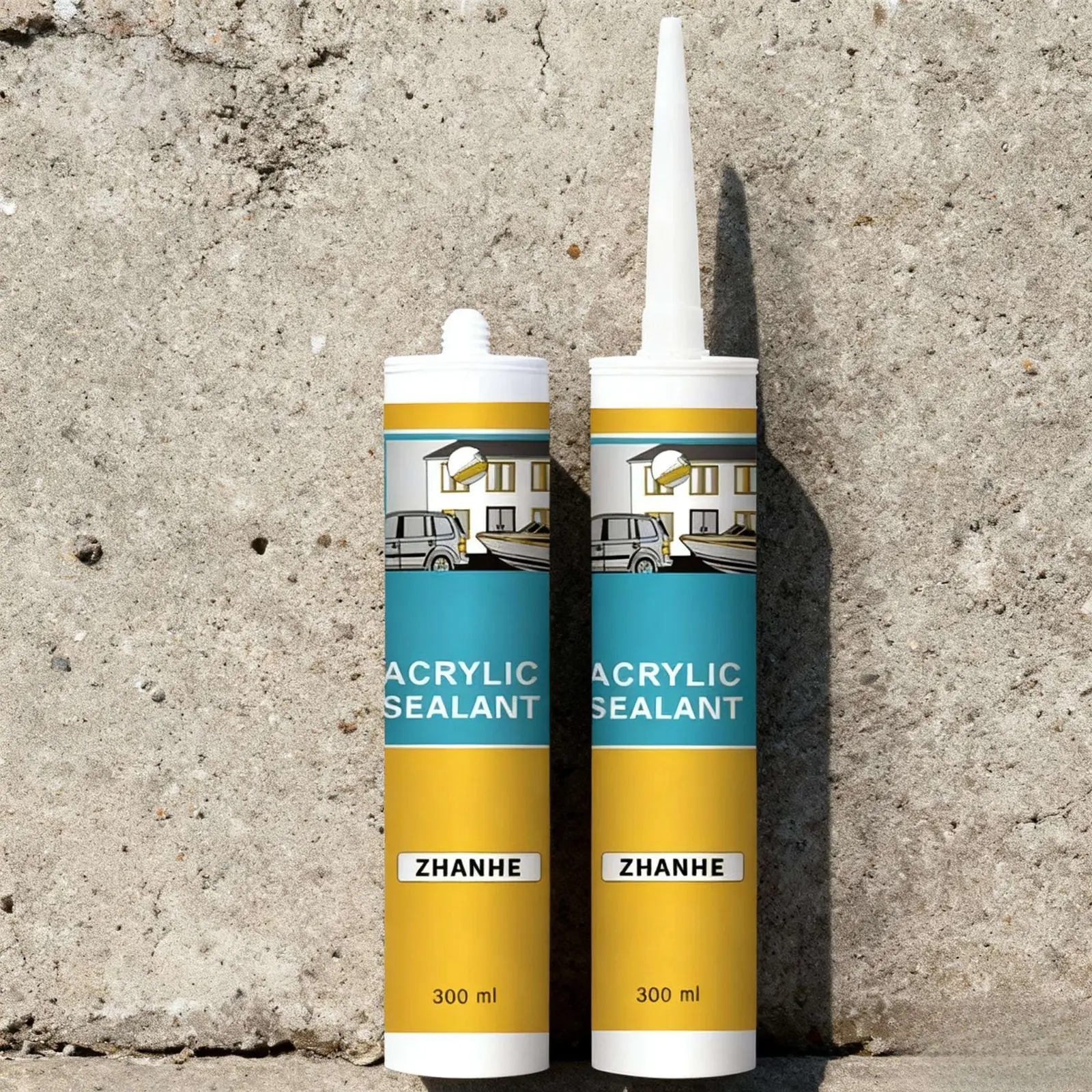
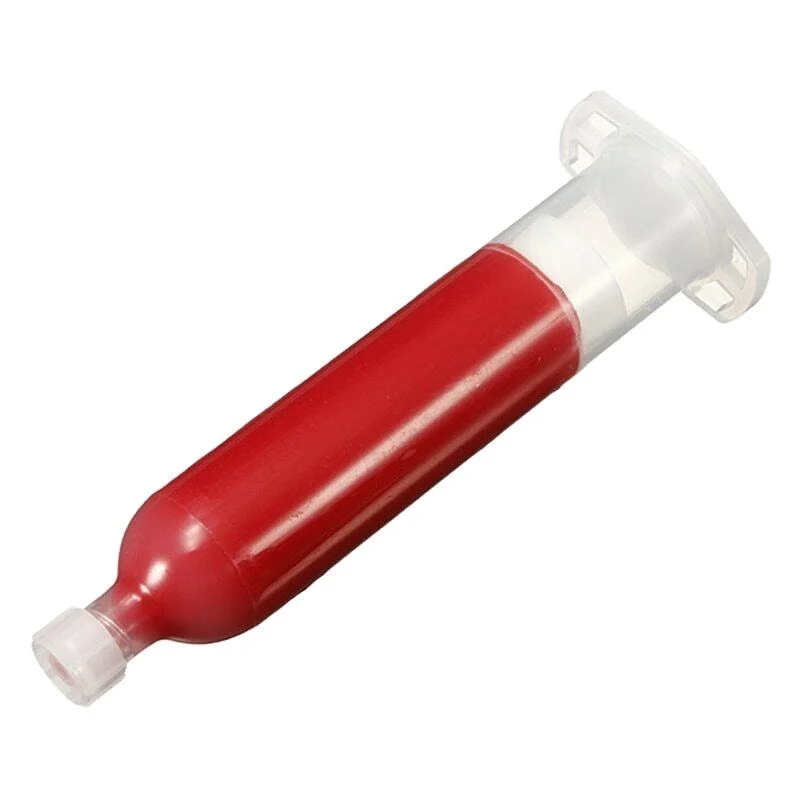
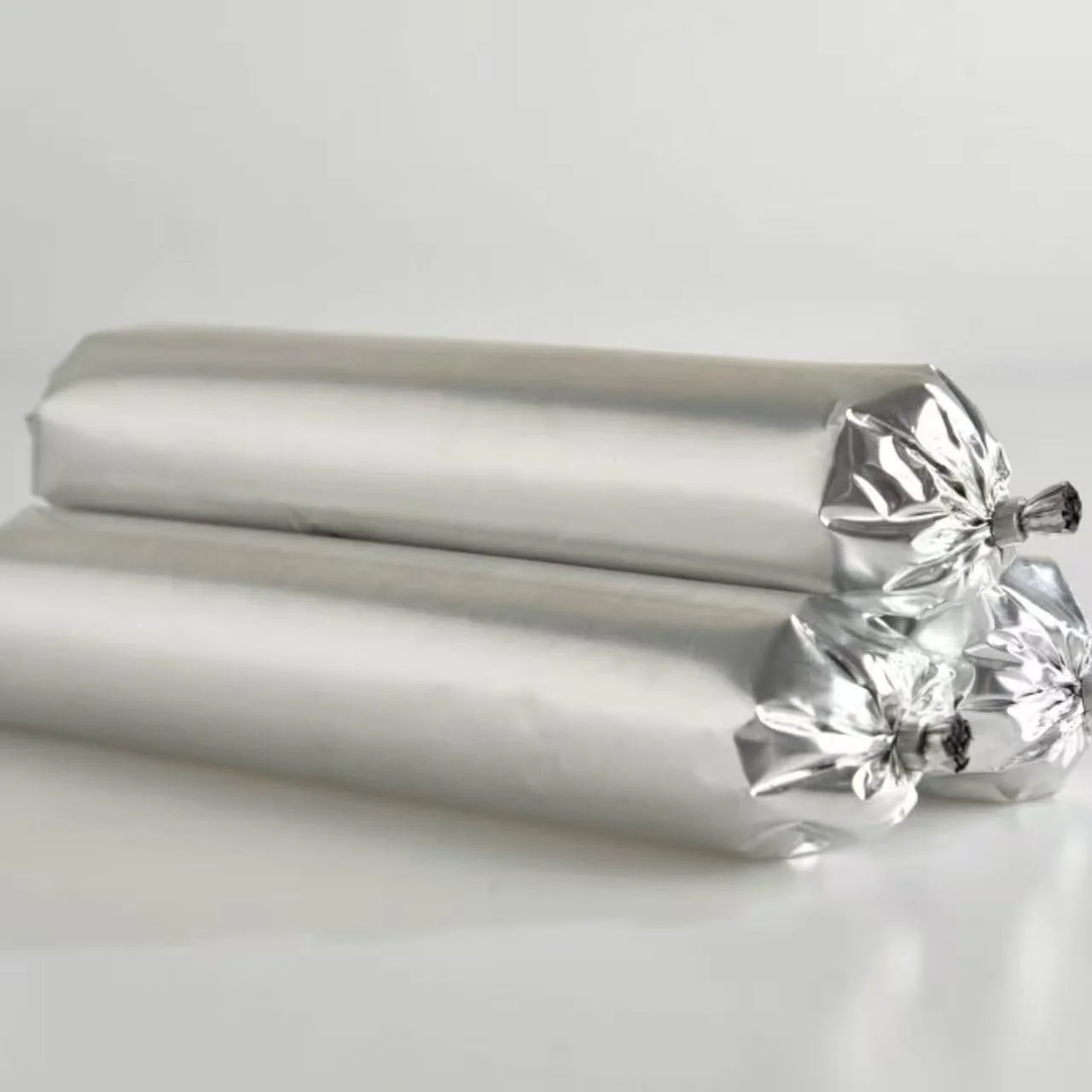
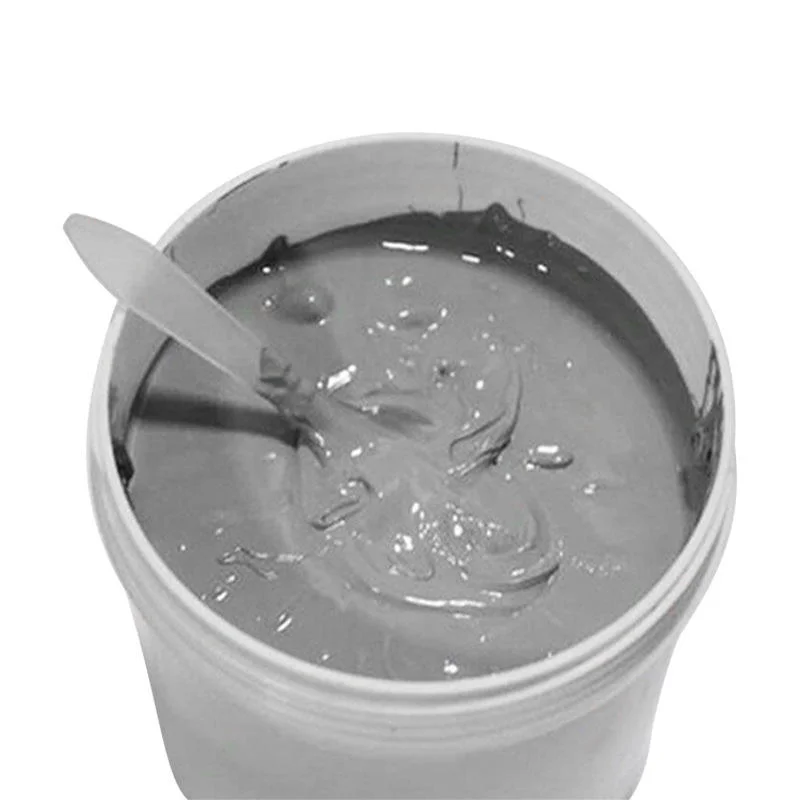
The sealants category encompasses a wide range of products used to fill gaps and provide a barrier against air, water, and dust. This category includes various types of sealants such as silicone, polyurethane, acrylic, and polysulfide, each catering to different applications in construction and industrial settings. Industries that commonly source sealants include construction, automotive, aerospace, and manufacturing, where effective sealing is crucial for performance and durability.
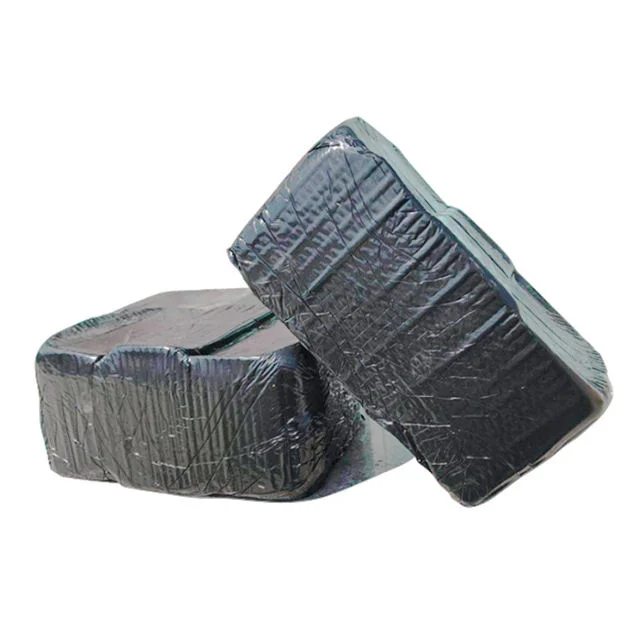
When sourcing sealants, buyers should compare properties such as adhesion, flexibility, curing time, and temperature resistance to ensure compatibility with their specific applications. It is important to specify the intended use, substrate materials, and environmental conditions in inquiries. Additionally, buyers should consider quality standards and compliance with industry regulations, as these factors can significantly impact the performance and longevity of the sealants.
Common types include silicone, polyurethane, acrylic, and polysulfide sealants, each suited for different applications.
Consider factors like adhesion, flexibility, curing time, and the materials you will be sealing.
Yes, sealants may need to comply with industry-specific standards, such as ASTM or ISO, depending on their application.
Some sealants are designed for extreme temperatures, but it is crucial to check the specifications for temperature resistance.
Shelf life varies by type and manufacturer, but it typically ranges from 6 months to several years if stored properly.
Many sealants can be applied with standard caulking guns, but some may require specific tools for optimal application.
Surface preparation is key; clean and dry surfaces enhance adhesion, and some sealants may require primers.
Many sealants can be painted over, but it is essential to check the manufacturer's recommendations for compatibility.
Sourcing something in sealants?
Tell us your requirement and our team brings you quotes from verified manufacturers.