Loading…

Product type
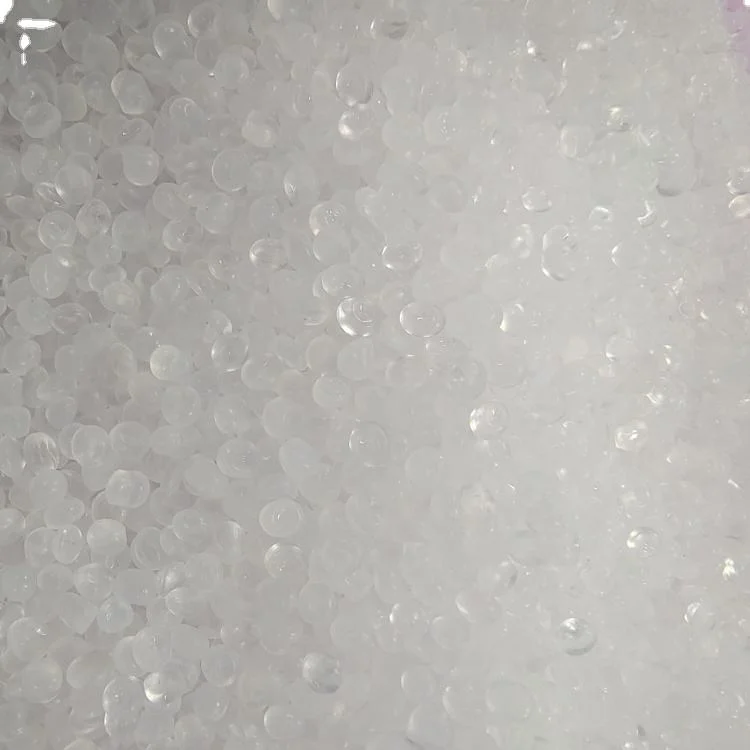
Ethylene Vinyl Acetate (EVA) is a copolymer of ethylene and vinyl acetate, known for its flexibility, transparency, and resistance to UV radiation. It is produced through the polymerization of ethylene and vinyl acetate monomers, resulting in a material that exhibits excellent adhesion properties and durability. EVA is commonly used in various applications, including packaging, footwear, and adhesives due to its versatility and performance characteristics.
| Typical vinyl acetate content | 10% to 40% |
| Density | 0.93 to 0.97 g/cm³ |
| Melting point | Approximately 80 to 100°C |
| Tensile strength | 8 to 20 MPa |
| Elongation at break | 300% to 800% |
When selecting Ethylene Vinyl Acetate, consider the vinyl acetate content, as it affects the material's flexibility and adhesion properties. Specify the required density and tensile strength based on your application needs. Additionally, inquire about any relevant certifications or grades that may be required for specific industries, such as food safety or medical compliance. Determine the quantities needed for your project to receive accurate quotes from suppliers.
Get quotes for Ethylene Vinyl Acetate (EVA)
Tell us your requirement — quantity, specs and timeline — and our team sources verified manufacturers and brings you the best quote.
EVA is primarily used in packaging, footwear, and adhesives.
EVA is considered more environmentally friendly than some other plastics, but its recyclability can vary.
Yes, EVA can be used in food packaging, but it should comply with food safety regulations.
EVA typically performs well in temperatures ranging from -40°C to 80°C.
EVA offers better flexibility and impact resistance compared to many other polymers.
EVA is water-resistant, making it suitable for various applications where moisture exposure is a concern.