Loading…

Product type
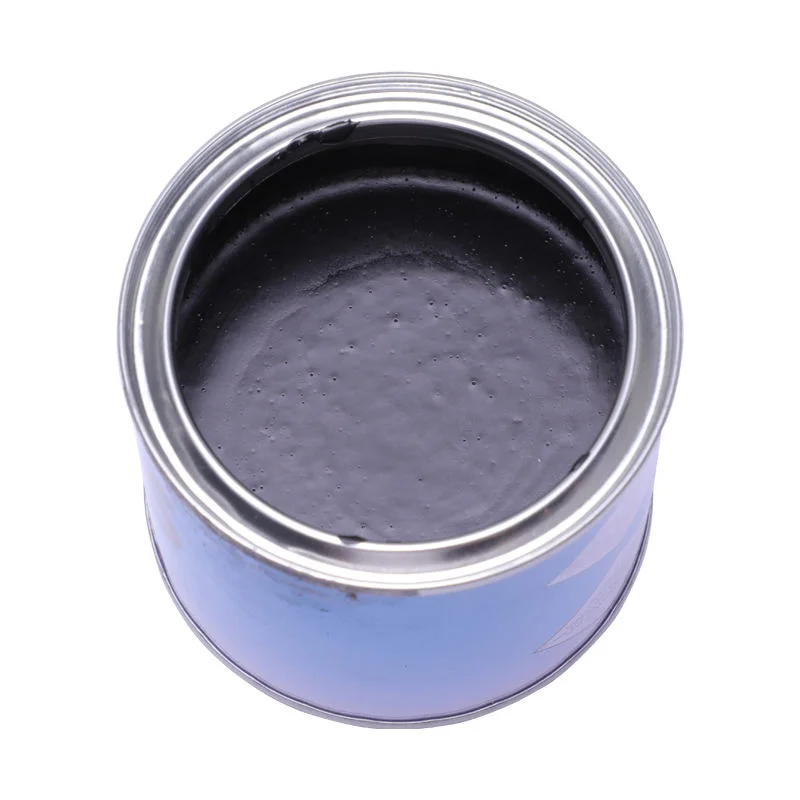
Fixing agents are specialty chemicals used in the textile industry to enhance the dyeing process by improving the fixation of dyes on fabrics. These agents work by forming chemical bonds between the dye molecules and the fibers, ensuring that the colors remain vibrant and resist fading during washing and exposure to light. Typically, fixing agents are formulated from various chemical compounds, including cationic, anionic, or non-ionic surfactants, depending on the type of dye and fabric being treated.
| Chemical composition | Cationic, anionic, or non-ionic compounds |
| Application method | Padding, spraying, or exhaustion |
| pH range | 4 to 7 |
| Temperature stability | Up to 100°C |
| Compatibility | Compatible with various dye types |
When selecting fixing agents, buyers should consider the type of dye and fabric to ensure compatibility. It's important to specify the desired level of color fastness, as well as any specific application methods to be used. Buyers should also inquire about the chemical composition and pH range to meet their production requirements. Quantities typically depend on the scale of production and the specific dyeing processes employed.
Get quotes for Fixing Agents
Tell us your requirement — quantity, specs and timeline — and our team sources verified manufacturers and brings you the best quote.
They are used to improve dye fixation on fabrics, enhancing color fastness.
Consider the type of dye, fabric, and desired color fastness.
Not all fixing agents are compatible with every dye type; check compatibility.
Common methods include padding, spraying, or exhaustion.
Some fixing agents may have environmental regulations; check for eco-friendly options.
Shelf life varies; typically, they should be used within 1-2 years of purchase.