Loading…

Product type
Monoethylene Glycol (MEG) is a colorless, odorless, and hygroscopic liquid that is primarily used as an intermediate in the production of polyester fibers and resins. It is produced from ethylene oxide through a process of hydrolysis. MEG is a key raw material in the manufacture of polyethylene terephthalate (PET), which is widely used in textiles, plastics, and packaging applications. Additionally, MEG serves as an antifreeze agent and coolant in automotive and industrial applications.
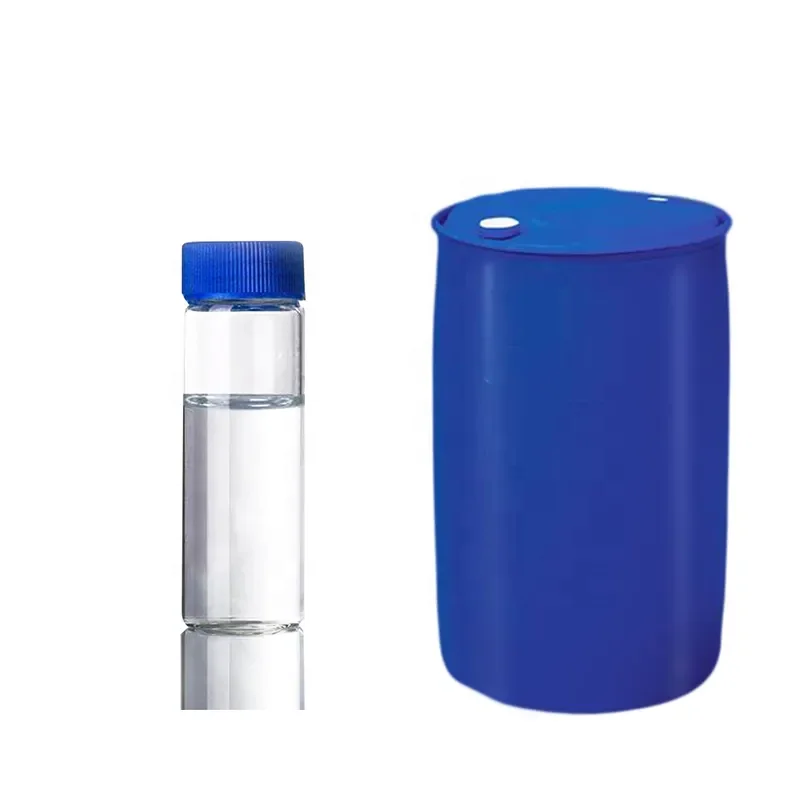
| Chemical formula | C2H6O2 |
| Purity | Typically 99.8% or higher |
| Molecular weight | 62.07 g/mol |
| Boiling point | 197.6 °C |
| Melting point | -13 °C |
When selecting Monoethylene Glycol, buyers should consider the required purity level, as higher purity grades are essential for specific applications like textiles and food packaging. It is also important to specify the desired quantity and any necessary certifications, especially for applications in regulated industries. Understanding the intended use can help in determining the appropriate specifications and any additional additives that may be needed.
Get quotes for Monoethylene Glycol (MEG)
Tell us your requirement — quantity, specs and timeline — and our team sources verified manufacturers and brings you the best quote.
It is primarily used in the production of polyester fibers and resins.
While it is widely used, it should be handled with care and proper safety precautions due to its potential health effects.
Monoethylene Glycol has a lower molecular weight and is primarily used for polyester production, while Diethylene Glycol is used in different applications such as solvents and plasticizers.
Yes, it is commonly used as an antifreeze agent in automotive and industrial cooling systems.
Industrial-grade MEG typically has a purity of 99.8% or higher.
It is produced through the hydrolysis of ethylene oxide.