Loading…

Product type
Powder coating is a type of industrial coating that is applied as a free-flowing, dry powder. Unlike traditional liquid paints, powder coatings do not require a solvent to keep the binder and filler parts in a liquid suspension form. They are typically made from a mixture of finely ground particles of pigment and resin, which are electrostatically charged and then sprayed onto a surface. Once applied, the coated item is heated in an oven, causing the powder to melt and form a durable, protective layer. This method is commonly used for metal surfaces, providing a tough finish that is resistant to scratches, chipping, and fading.
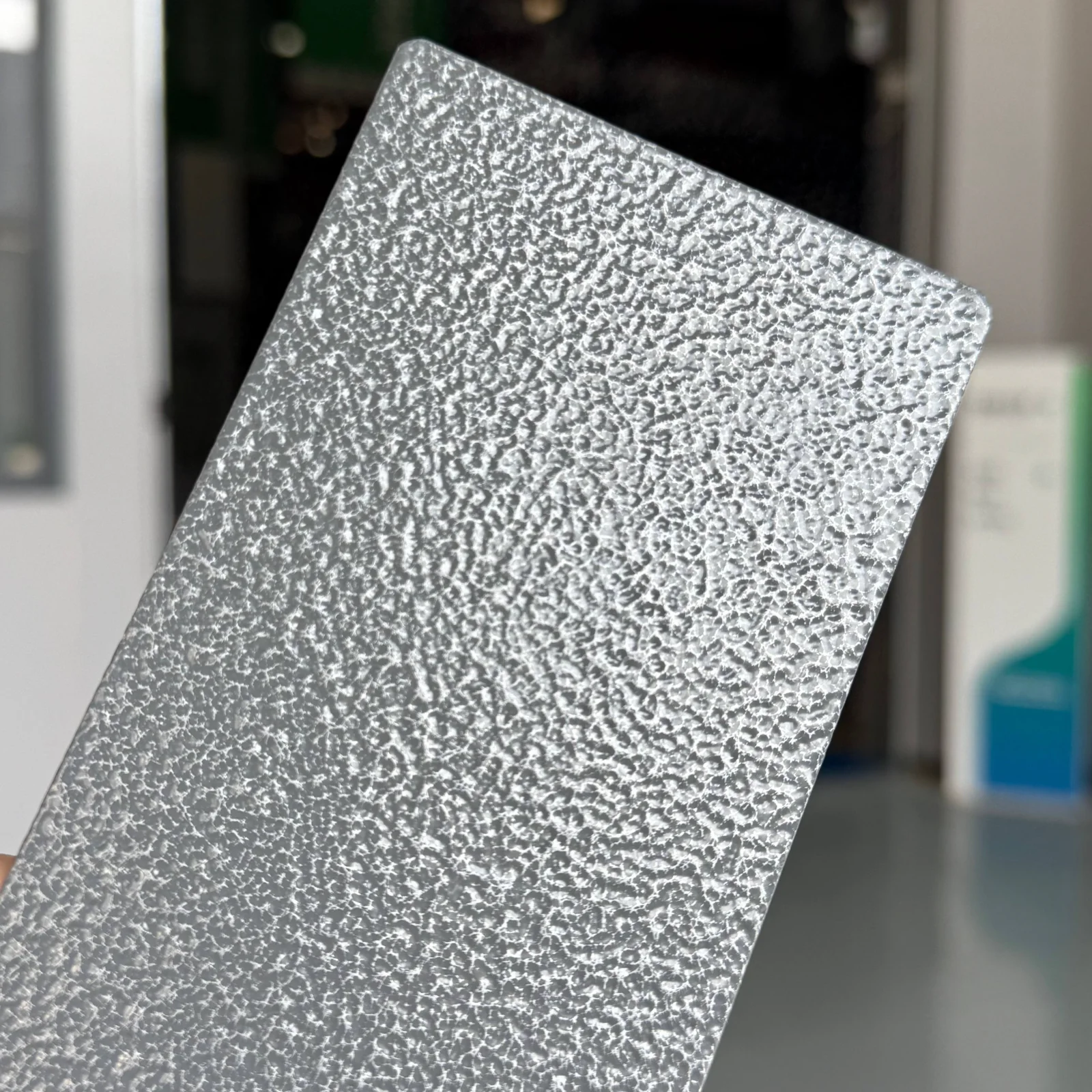
| Material Composition | Polyester, epoxy, or hybrid resins |
| Curing Temperature | Typically 160°C to 200°C |
| Thickness Range | 40 to 100 microns |
| Finish Options | Glossy, matte, or textured |
| Color Availability | Wide range of colors and custom formulations |
When selecting powder coating, consider the material compatibility with the substrate, desired finish, and environmental conditions the coated item will face. Specify the required curing temperature and thickness to ensure optimal performance. Additionally, inquire about color options and any specific certifications needed for your application, such as compliance with environmental regulations. Quantity requirements can also affect pricing and lead times, so be clear about your needs when requesting a quote.
Get quotes for Powder Coating
Tell us your requirement — quantity, specs and timeline — and our team sources verified manufacturers and brings you the best quote.
Powder coating is commonly used on metals, but can also be applied to certain plastics.
Powder coating is more durable and environmentally friendly, as it emits fewer volatile organic compounds.
Yes, many powder coatings are UV resistant and suitable for outdoor applications.
Minor scratches can be touched up, but extensive damage may require re-coating.
A well-applied powder coating can last 10 to 20 years, depending on conditions.
Proper ventilation and protective gear should be used during application to avoid inhalation of powder particles.