Loading…

Product type
Preservatives are chemical compounds used in personal care and cosmetic products to prevent microbial growth and extend shelf life. They work by inhibiting the growth of bacteria, fungi, and other harmful microorganisms that can spoil products or cause skin irritation. Commonly derived from both natural and synthetic sources, preservatives are essential for maintaining the safety and efficacy of cosmetics and personal care items.
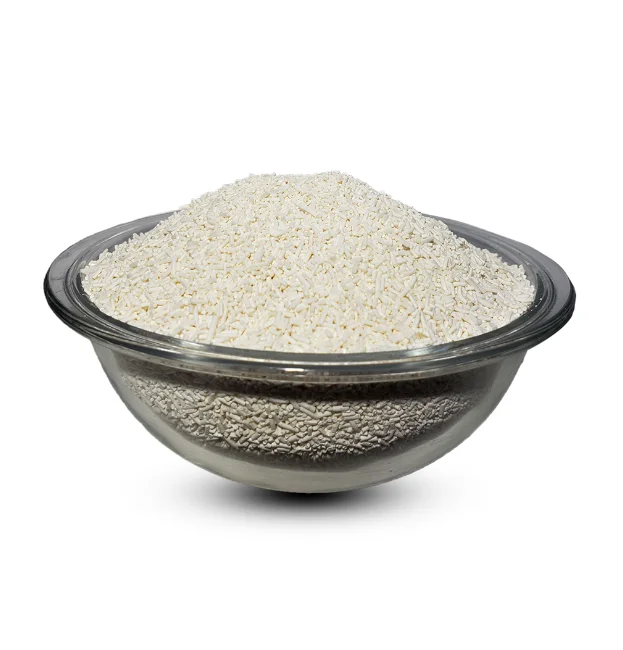
| Types | Parabens, phenoxyethanol, formaldehyde releasers |
| Form | Liquid, powder, or gel |
| Concentration range | 0.1% to 1.0% in formulations |
| Regulatory compliance | Must comply with local and international safety regulations |
| pH stability | Effective in a pH range of 4 to 7 |
When selecting preservatives for personal care products, buyers should consider the type of formulation and the target shelf life. It's important to specify the desired efficacy against specific microorganisms, as well as any regulatory requirements for safety and labeling. Additionally, buyers should indicate the intended pH range of the product and any preferences for natural versus synthetic options.
Get quotes for Preservatives
Tell us your requirement — quantity, specs and timeline — and our team sources verified manufacturers and brings you the best quote.
Common types include parabens, phenoxyethanol, and formaldehyde releasers.
Yes, natural preservatives can be effective, but their efficacy may vary based on the formulation.
The right concentration typically ranges from 0.1% to 1.0%, depending on the type and formulation.
Some preservatives may impact the scent or feel, so it's important to test formulations.
Preservatives must comply with local and international safety regulations, including those set by the FDA or EU.
Some individuals may be sensitive to certain preservatives, so it's essential to conduct patch tests.