Loading…

Product type
Sodium Lauryl Sulfate (SLS) is an anionic surfactant commonly used in personal care and cosmetic products. It is a salt derived from lauryl sulfate, which is typically produced from coconut or palm oil. SLS functions primarily as a cleansing and emulsifying agent, helping to create lather in shampoos, body washes, and toothpaste. Its ability to reduce surface tension makes it effective in removing dirt and oils from surfaces.
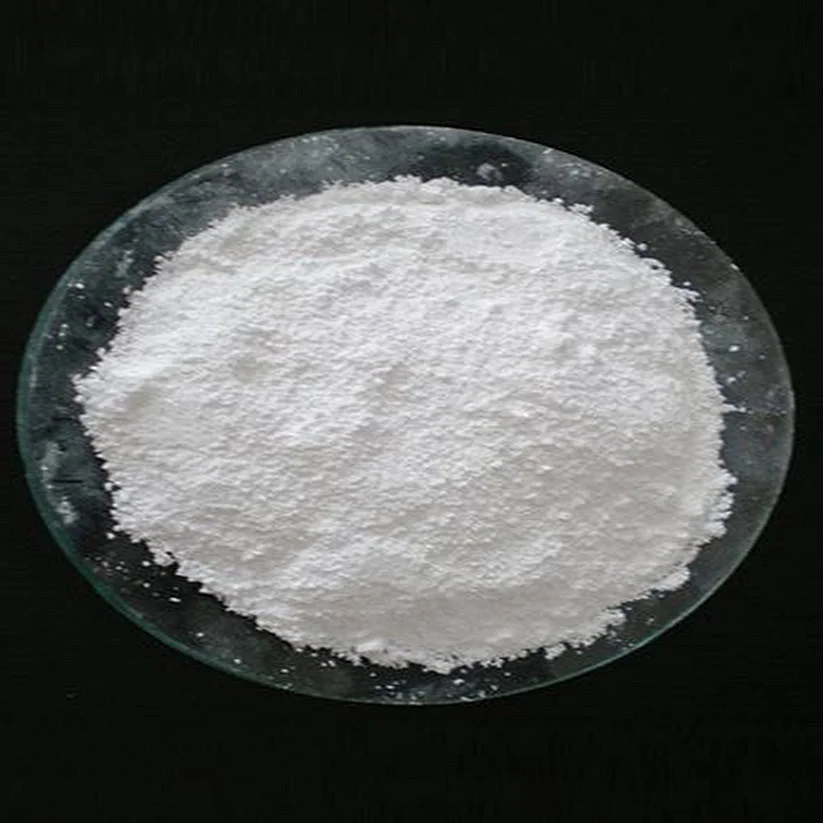
| Chemical formula | C12H25NaO4S |
| Appearance | White to yellowish powder or liquid |
| Purity | Typically 90% to 99% |
| pH range | 7 to 9 |
| Solubility | Soluble in water |
When selecting Sodium Lauryl Sulfate, buyers should consider the desired purity level, as this can affect product performance. It is also important to specify the intended application, as formulations may require different grades or concentrations. Certifications such as cosmetic safety assessments may be necessary depending on the end use, and buyers should inquire about bulk purchasing options to meet their production needs.
Get quotes for Sodium Lauryl Sulfate
Tell us your requirement — quantity, specs and timeline — and our team sources verified manufacturers and brings you the best quote.
Sodium Lauryl Sulfate is generally considered safe for use in cosmetics, but some individuals may experience irritation.
SLES (Sodium Laureth Sulfate) is a milder surfactant compared to SLS, as it undergoes ethoxylation, making it less irritating.
Sodium Lauryl Sulfate is not approved for use in food products and is primarily used in cosmetics and cleaning agents.
SLS reduces surface tension, allowing water to mix with oils and dirt, facilitating their removal.
SLS can be biodegradable, but its production and use may have environmental considerations, so sourcing from responsible suppliers is advisable.
Yes, SLS can still function effectively in hard water, although its performance may be slightly reduced compared to soft water.